
The Custom-House Frame Narrative
The Scarlet LetterTraces Hawthorne's fictional discovery of the scarlet letter and manuscript, his reflections on the Custom-House, and his decision to write the story.
increasing Bearing strength in each event
 decreasing
Bearing strength in each eventdecreasingHawthorne's Custom-House Life
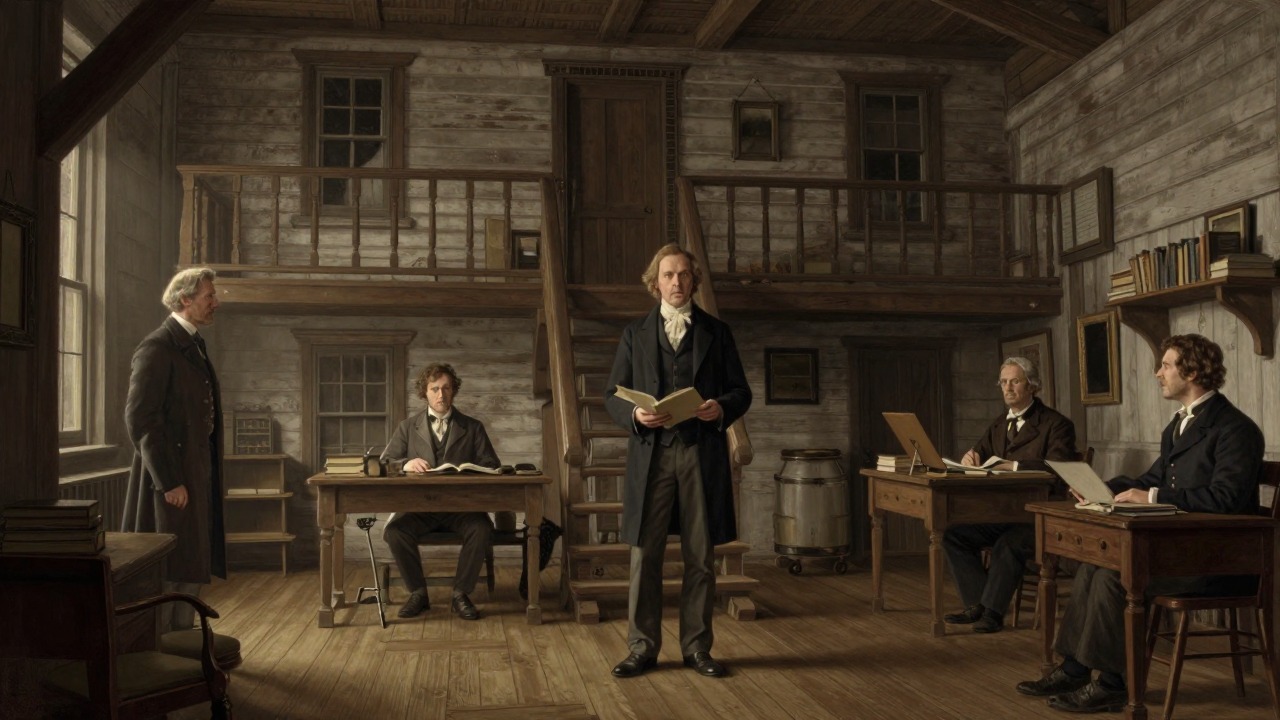
The Custom-House
A Life of Routine
The narrator describes his three years working as a Surveyor in the Salem Custom-House. He portrays the decaying building, the old officers, and the dull routine. He contrasts this life with his earlier literary pursuits at the Old Manse.
The Characters
He introduces the old Inspector, a man of animal instincts, and the Collector, a war hero. These figures represent the mundane world that has dulled his imagination. He worries that his literary talent is fading.
The Political Upheaval
With the election of General Taylor, Hawthorne loses his position. He is ousted from office, which he describes as a kind of political guillotine. This event frees him to return to writing.
Discovery of the Scarlet Letter
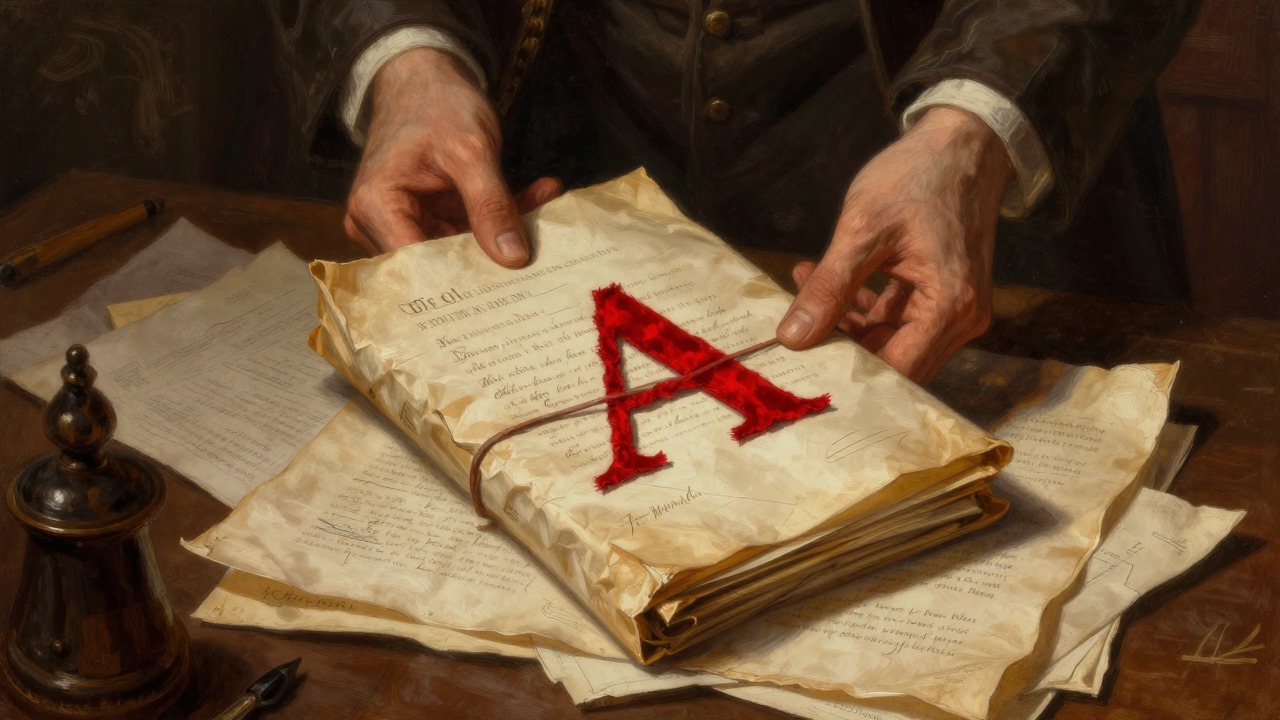
The Mysterious Package
The Old Papers
While rummaging through a pile of documents, Hawthorne finds a small package wrapped in parchment. It contains a commission for Surveyor Jonathan Pue and a bundle of papers. Wrapped in the papers is a piece of red cloth shaped like a letter A.
The Scarlet Letter Relic
Hawthorne examines the letter, noting its elaborate embroidery. He places it on his breast and feels a burning sensation. He then reads the manuscript, which tells the story of Hester Prynne. The ghost of Surveyor Pue urges him to publish the tale.
The Decision to Write
Hawthorne decides to write the story as a romance, using the facts as a foundation. He sees the scarlet letter as a symbol of deep meaning. The discovery rekindles his creative imagination, and he begins to compose the narrative.
Hawthorne's Return to Literature
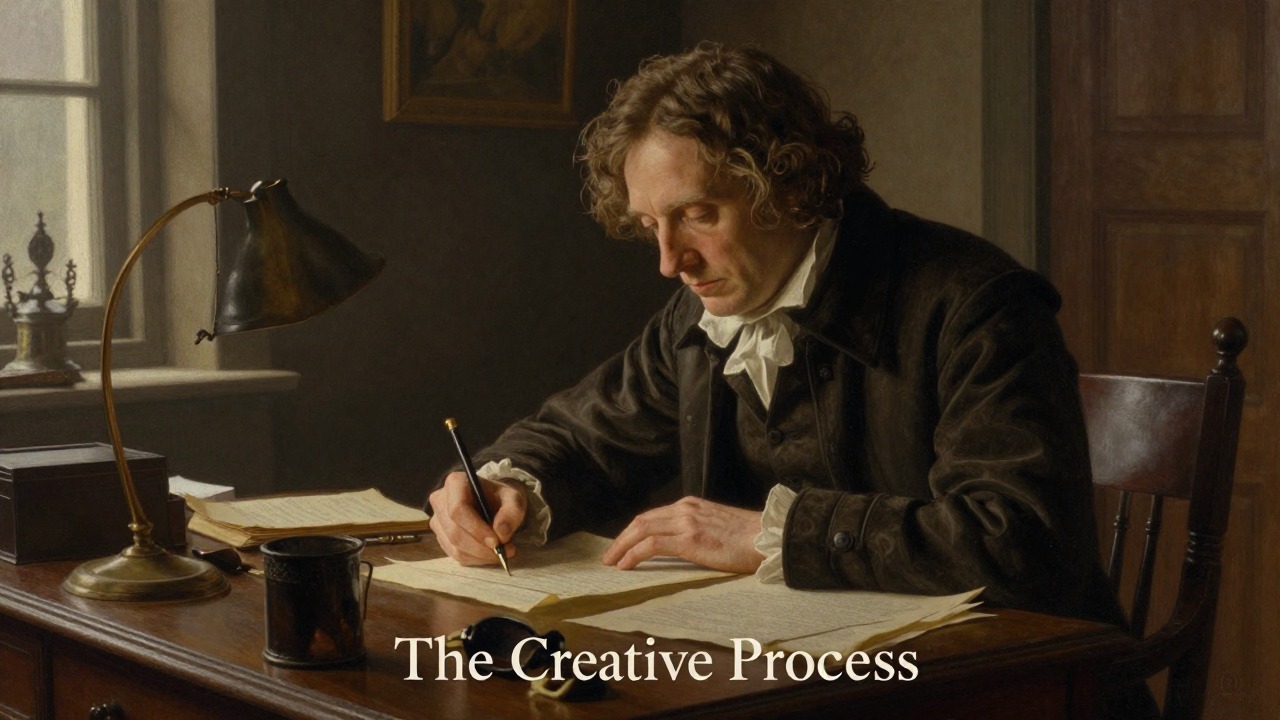
The Writer Again
A New Beginning
After losing his job, Hawthorne opens his writing desk and returns to literary work. He feels that the Custom-House experience has been a necessary interlude. The story of Hester Prynne becomes his focus.
The Creative Process
He struggles at first to recapture his imaginative power, but gradually the tale takes shape. He writes with a sense of melancholy, but also with a feeling of freedom. The narrative becomes a way to explore themes of sin and redemption.
The Connection to the Past
Hawthorne emphasizes that the story is based on historical documents, giving it an air of authenticity. He presents himself as the editor of the tale, not its inventor. The frame narrative blends fiction and autobiography, creating a rich context for the main story.
during Hawthorne's tenure as Surveyor
during a rainy day at the Custom-House
after his dismissal from the Custom-House
